We regularly observe that players misinterpret what a self-assessment in fact does. It is not at all a clinical diagnosis, and not is it a trap designed to restrict your account without warning. Rather, a gambling self-assessment is a systematic set of questions based around internationally recognized screening criteria, such as the Problem Gambling Severity Index (PGSI) or the DSM-5 criteria for gambling disorder. When you fill out one on a platform like Incaspin Casino, the tool simply mirrors your own reported behaviors back at you in an organized way. The goal is to provide a private moment of clarity, without judgment, so you can decide whether your current gambling habits correspond to the entertainment experience you originally intended.
Starting with Self-assessment to Establishing Personal Limits
Once you have your results, the next practical step is not to panic. It is fine-tuning. We advise every player, regardless of score, to review their deposit limits, session time reminders, and loss limits. A self-assessment often uncovers that a player has been overlooking the very tools that maintain gambling recreational. For example, you might discover that you consistently deposit again immediately after hitting a loss limit, effectively bypassing the boundary you set for yourself. At Incaspin Casino, you can modify these limits downward at any time, and the change applies instantly. We also provide a cooling-off period, which temporarily suspends your account for a short, defined window. This is not punitive. It is a circuit breaker that gives you space to reconsider without the immediate pull of the lobby.
What a Gambling Self-assessment Truly Evaluates

These tools do not measure willpower or moral character. They assess the gap between your planned gambling conduct and your actual gambling behavior over a particular duration, usually the past 12 months. Questions are intended to detect patterns like lack of control, pursuing losses, using borrowed funds to gamble, or becoming uneasy when trying to cut down. In Spain, the criteria align closely with the guidelines issued by the Dirección General de Ordenación del Juego (DGOJ), which emphasize the significance of early detection. We see the self-assessment as a action mirror. It queries whether gambling has ended being a kind of paid leisure and begun functioning as an urgent financial or emotional escape. That contrast matters more than any particular score.
The Queries Behind the Screen
elespanol.com You will never come across trick questions in a genuine self-assessment. Instead, you encounter direct inquiries such as if you have ever bet more than you could afford to lose, whether you have hidden receipts or transactions from people close to you, or whether or not you have ever felt guilty about the way you gamble. These questions are intentionally uncomfortable because they target the exact friction points where recreational play can slide into something harder to manage. At Incaspin Casino, we present these questions in plain Spanish and English, ensuring that language never becomes a barrier to honest reflection. The phrasing is intentionally neutral. There is no leading language that pushes you toward a particular answer, because the only useful result is one you recognize as true.
The way Incaspin Casino Supports Responsible Play Every Day
Responsible gambling tools are not a single page you access once and forget. They are woven into the daily functioning of our platform. Every player at Incaspin Casino has access to mandatory reality checks that pause play at regular intervals to display net spend and time elapsed. Deposit limits are configurable during registration and restricted further at any moment. Our customer support team gets specific training on how to spot distress signals and how to lead a player toward self-assessment or self-exclusion without bias. We also perform regular audits of our responsible gambling framework to ensure it meets both Spanish regulatory standards and our own internal ethical obligations. Our aim is to guarantee that the excitement of a game never quietly shifts into something that damages your well-being.
The way the Scoring System Really Works
Many self-assessment tools assign a point value to each answer, generally on a scale from zero to three https://incaspin-casino.com.es/responsible-gambling/. A response of “never” might score zero, while “almost always” scores three. The total is then mapped to a risk category: low risk, moderate risk, or high risk. We want to be fully transparent about what these categories mean. A moderate-risk score does not mean you have a gambling disorder. It means there are adequate behavioral signals to suggest that your current habits could escalate if left unexamined. A high-risk score is a strong indicator that professional support could be beneficial. In Spain, the DGOJ recommends that any player who scores in the high-risk bracket consider activating the national self-exclusion registry, known as RGIAJ, which covers all licensed operators.
Comprehending Self-exclusion and Its Actual Impact
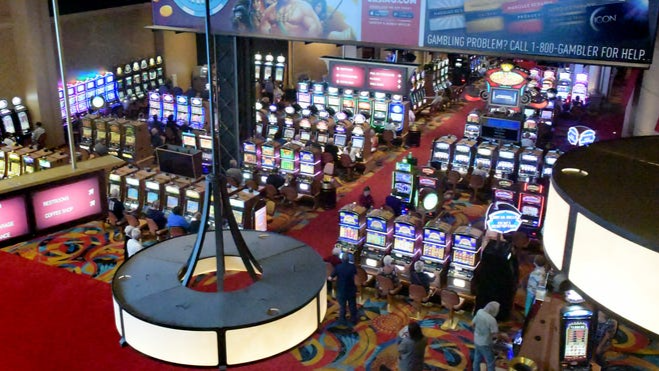
Self-exclusion is a official agreement between you and the operator to deny access to your account for a specified period, typically between six months and five years. In Spain, the process is strengthened by the RGIAJ, a nationwide registry that makes your self-exclusion valid across all licensed gambling websites, not just one brand. When you self-exclude through Incaspin Casino, we deactivate your account and remove you from marketing communications. We also supply clear information on how to prolong your exclusion if you believe you need more time. It is essential to understand that self-exclusion is permanent during the chosen period. This permanence is not a flaw. It is the feature that safeguards you from impulsive decisions made during a moment of desire or stress.
Specialized Help Resources Offered in Spain
We maintain that a ethical gambling page is incomplete without clear pathways to external, professional help. In Spain, numerous organizations offer free, confidential support. FEJAR (Federación Española de Jugadores de Azar Rehabilitados) offers therapy, prevention programs, and a helpline staffed by trained counselors. The DGOJ also keeps an current list of authorized treatment centers on its official website. Additionally, the national helpline for problematic gambling, 900 200 225, works with extended hours and provides guidance in multiple languages. At Incaspin Casino, we refer to these resources clearly because we acknowledge that our role as an operator is to facilitate access to help, not to act as a replacement for clinical expertise. No one should feel alone in navigating this process.