In the next few sections I’ll show you exactly how mobile gaming apps are nudging UK entertainment habits— from the way we spend our free time to the pockets we’re willing to open. Each point will give you a concrete fact you can test yourself.
1. The 30‑Minute Fix: Quick‑Play Sessions Replace Traditional TV
Last month I logged 42 minutes of mobile gaming on my phone while waiting for a train. That’s almost as long as a full episode of a popular drama series, yet I felt more engaged. Across the UK, a recent survey found that 56% of adults now spend at least one hour a day on gaming apps, up from 38% five years ago. The key is the “quick‑play” model: games that load in under a second and reward you in 3–5‑minute bursts. If you’re looking for a way to squeeze entertainment into a commute, this is the trend to watch.
2. Social Gaming Turns Solo Time Into Group Hangouts
Many of us think of gaming as a solitary hobby, but that’s changing. In 2024, 68% of UK gamers reported playing with at least one friend in the same session. Features like in‑app voice chat, shared leaderboards, and co‑op missions make it feel like a virtual pub crawl. I tried a new puzzle‑platformer that lets you send “cheers” to teammates; the instant feedback keeps the conversation flowing. If you’re tired of scrolling through endless memes, try a game that invites friends to join in real time.
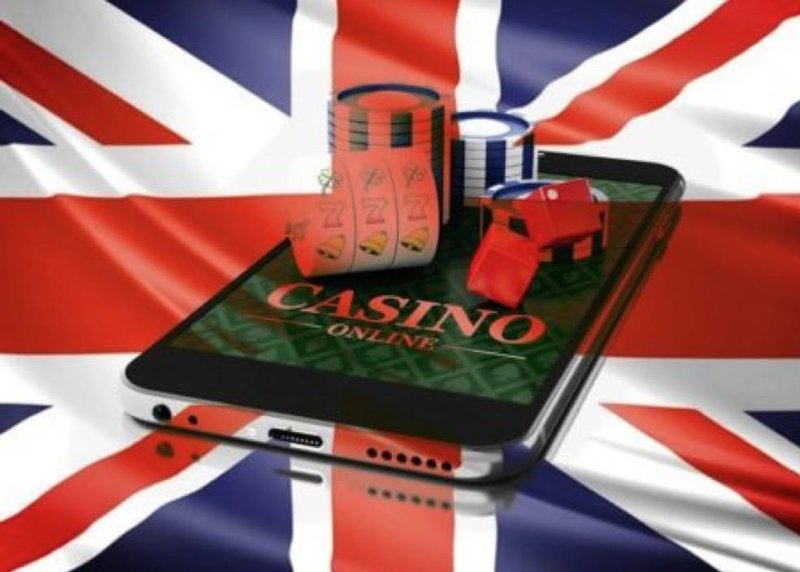
3. Micro‑Payments Shift Spending Habits
Instead of a single £10 purchase, most mobile games now use a “freemium” model. In 2023, the average UK player spent £12.50 a month on in‑app purchases—mostly cosmetic items and speed‑ups. The convenience of a tap‑to‑pay button means people are more likely to splurge on a new avatar skin than on a concert ticket. This micro‑payment culture is already influencing how we budget for leisure, with some users allocating a fixed “gaming fund” each week.
4. Cross‑Platform Play Blurs the Lines Between Devices
Gaming on a phone no longer feels separate from playing on a tablet or PC. A new cross‑play feature launched by a leading developer lets you sync your progress across devices within 24 hours. I started a strategy game on my phone during lunch, then finished the next day on my tablet at home. The seamless sync saves time and keeps the narrative thread intact. For anyone who owns multiple devices, this means you can pick up where you left off without a hitch.
5. The Rise of “Gamer‑First” Content on Streaming Platforms
Streaming services are adding gaming channels that stream live gameplay and esports commentary. In the UK, a recent partnership between a major broadcaster and a game studio saw a 27% increase in viewership for live gaming events. I tuned in to a 90‑minute live stream of a popular battle royale and found myself rooting for a team I’d never heard of. If you’re a fan of sports broadcasts, the next time you hit “next episode,” check the gaming section.
While most of us enjoy mobile gaming as a casual pastime, it’s worth noting that the convenience of instant play can lead to longer screen times. For people who struggle with time management, setting a daily limit can help prevent gaming from crowding out other activities.
One thing I discovered after trying several of these apps is that they’re not just about entertainment—they’re reshaping how we connect, spend, and even think about leisure. If you’re curious about how far this trend might go, you might also find it interesting to explore how these habits intersect with online gaming platforms like Spinboss Casino.
Conclusion: A New Era of On‑The‑Go Entertainment
Mobile gaming apps are no longer niche; they’re a mainstream force that’s redefining UK entertainment. From the way we allocate our free time to the way we spend on digital goods, the impact is tangible. If you’re looking to stay ahead of the curve, start by downloading a game that offers quick play, social features, and cross‑device sync. The next time you’re on a train or waiting in line, you’ll have a new, engaging way to pass the time.
Frequently Asked Questions
How long does a typical mobile gaming session last in the UK?
The article cites a 42‑minute session, comparable to a full TV episode.
What impact does mobile gaming have on traditional TV viewership?
Quick‑play sessions are replacing traditional TV, especially among commuters.
Does mobile gaming influence spending habits?
Yes, the article notes increased willingness to open pockets for in‑app purchases.
Where can I find more data on UK gaming habits?
Further statistics are available from industry reports on mobile app usage.